How to Improve Hip Mobility: Best Exercises, Stretches & Tips for Better Movement
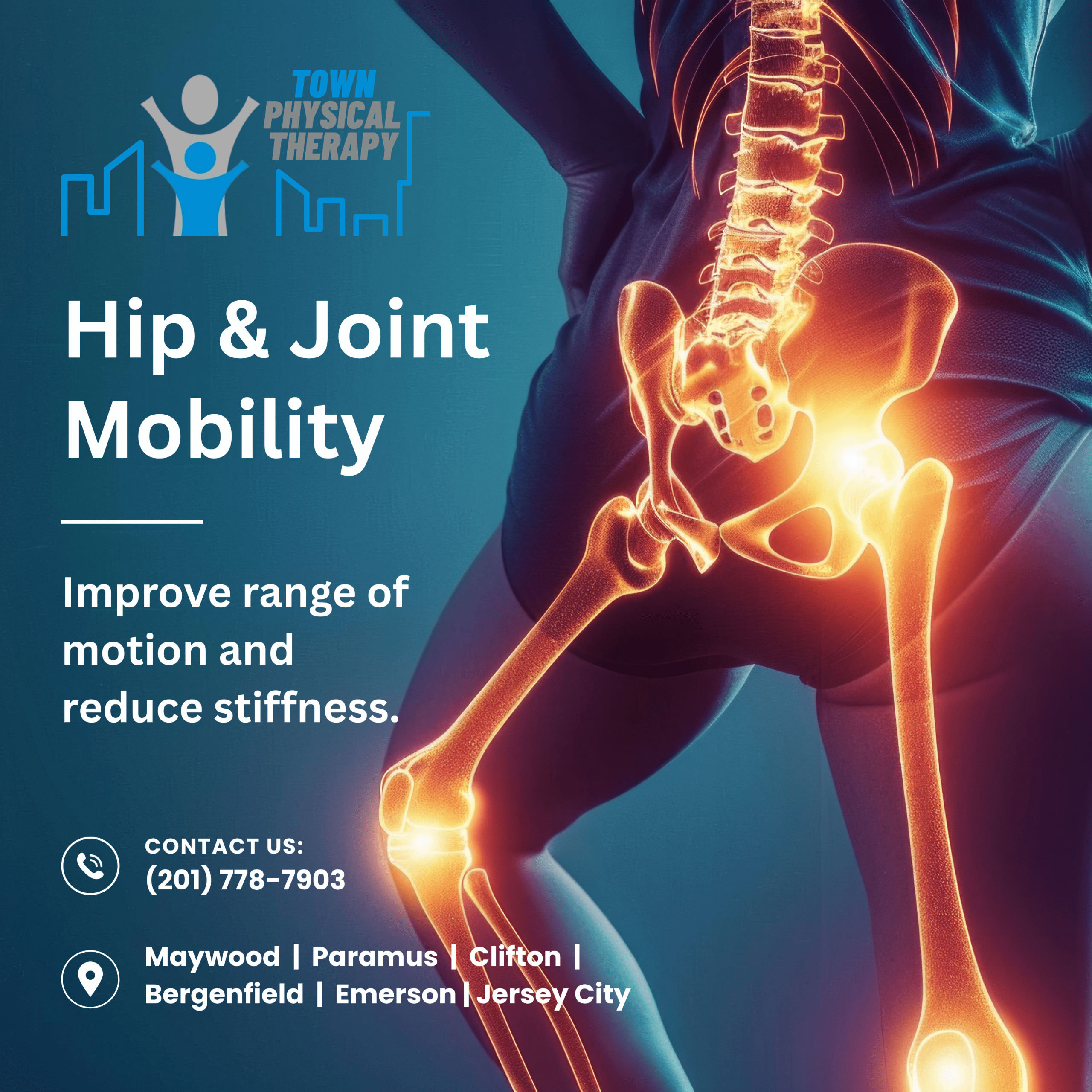
Your hips play a major role in nearly every movement you make. From walking and climbing stairs to exercising and simply standing upright, healthy hips help keep your body balanced, mobile, and pain-free. However, many people develop weak or tight hips due to long hours of sitting, poor posture, inactivity, aging, or repetitive strain.
When the hips are stiff or weak, other parts of the body often compensate—especially the knees and lower back. This can lead to discomfort, limited range of motion, and reduced physical performance.
The good news is that regular hip exercises can help strengthen surrounding muscles, improve flexibility, support posture, and decrease discomfort. Whether you are an athlete, office worker, senior adult, or someone recovering from inactivity, targeted hip exercises can make a significant difference.
In this guide, we’ll cover the best hip exercises to help improve hip function, reduce tightness, and restore healthy movement.
Why Hip Strength and Mobility Matter
The hip joint is one of the largest and strongest joints in the body. It is a ball-and-socket joint designed to support body weight while allowing movement in multiple directions.
Your hips are responsible for:
- Walking and running
- Standing and sitting
- Bending and lifting
- Balance and coordination
- Athletic performance
- Pelvic stability
- Lower body power
When the hips are functioning well, movement feels easier and more efficient. When they are weak or stiff, you may notice:
- Lower back pain
- Knee discomfort
- Tight groin muscles
- Poor posture
- Difficulty squatting
- Reduced athletic performance
- Hip stiffness after sitting
That is why a complete hip routine should include both strengthening exercises and mobility work.
Book an Appointment
Main Muscles That Support the Hips
To fully train the hips, it helps to understand the key muscle groups involved:
Gluteus Maximus
The largest muscle in the buttocks. Helps with standing, climbing stairs, and hip extension.
Gluteus Medius and Minimus
Located on the side of the hips. Important for balance, pelvic control, and walking.
Hip Flexors
Front hip muscles that lift the knees and support mobility.
Adductors
Inner thigh muscles that stabilize the legs and pelvis.
Hamstrings
Back thigh muscles that assist with hip extension.
Core Muscles
Help stabilize the pelvis and lower spine during movement.
14 Best Hip Exercises
1. Hip Circles
A simple movement to loosen stiff hips and improve joint mobility.
How to Do It:
- Stand tall and hold onto a wall or chair.
- Lift one knee.
- Slowly move the knee in circular motions.
- Perform 10 circles each direction.
- Repeat on the other side.
Benefits:
- Warms up the joint
- Improves range of motion
- Reduces stiffness
2. Frankenstein Walk
A dynamic warm-up that stretches the hamstrings and activates hip movement.
How to Do It:
- Walk forward slowly.
- Kick one leg straight in front of you.
- Reach the opposite hand toward the foot.
- Alternate legs.
Benefits:
- Improves mobility
- Warms up hips and legs
- Enhances coordination
3. Resistance Band Side Steps
Excellent for strengthening the outer hips and glutes.
How to Do It:
- Place a resistance band above your knees or ankles.
- Slightly bend knees into an athletic stance.
- Step sideways slowly for 10–15 steps.
- Return in the opposite direction.
Benefits:
- Strengthens glute medius
- Improves knee alignment
- Helps pelvic stability
4. Clamshells
One of the best exercises for weak side hips.
How to Do It:
- Lie on your side with knees bent.
- Keep feet together.
- Lift the top knee while keeping hips stacked.
- Lower slowly.
Reps:
12–15 per side
Benefits:
- Targets side glutes
- Supports balance
- Helps reduce knee strain
5. Glute Bridges
A foundational exercise for hip strength.
How to Do It:
- Lie on your back.
- Bend knees with feet flat.
- Press through heels and lift hips upward.
- Squeeze glutes at the top.
- Lower slowly.
Reps:
12–15 reps
Benefits:
- Strengthens glutes
- Supports lower back
- Improves posture
6. Single-Leg Glute Bridge
A more advanced version of the bridge.
How to Do It:
- Perform a bridge while one leg stays extended.
- Lift hips using one leg.
Benefits:
- Builds single-leg strength
- Improves symmetry
- Challenges stability
7. Donkey Kicks
Targets glutes and hip extension.
How to Do It:
- Start on hands and knees.
- Keep knee bent.
- Press one heel upward.
- Return slowly.
Benefits:
- Activates glutes
- Improves hip power
- Beginner-friendly
8. Side Leg Raises
Simple but highly effective for outer hip strength.
How to Do It:
- Lie on your side.
- Keep top leg straight.
- Lift slowly upward.
- Lower with control.
Benefits:
- Strengthens side hips
- Improves balance
- Helps walking mechanics
9. Butterfly Stretch
Great for opening tight inner hips.
How to Do It:
- Sit on floor.
- Bring soles of feet together.
- Let knees fall outward.
- Hold gently.
Hold:
20–30 seconds
Benefits:
- Stretches groin muscles
- Improves flexibility
- Helps sitting posture
10. Knee-to-Chest Stretch
Relieves hip and lower back tightness.
How to Do It:
- Lie on your back.
- Pull one knee toward chest.
- Hold and switch sides.
Benefits:
- Releases tension
- Good after workouts
- Helpful for stiffness
11. Forward Lunges
Excellent for functional hip strength.
How to Do It:
- Step forward.
- Lower both knees.
- Push back to start.
Benefits:
- Builds leg and hip strength
- Improves mobility
- Enhances balance
12. Lateral Step-Ups
Great for hip control and everyday movement.
How to Do It:
- Stand beside a step or platform.
- Step sideways up.
- Lower slowly.
Benefits:
- Strengthens hips and thighs
- Builds stability
- Functional exercise
13. Romanian Deadlift
Excellent for the posterior chain and hip hinge mechanics.
How to Do It:
- Hold weights or bodyweight only.
- Keep back straight.
- Hinge at hips while lowering torso.
- Return upright.
Benefits:
- Strengthens glutes and hamstrings
- Improves lifting mechanics
- Protects lower back
14. Hip Marching (Great for Seniors)
Low-impact movement for mobility.
How to Do It:
- Sit in chair or stand tall.
- Lift one knee at a time.
- Alternate slowly.
Benefits:
- Improves coordination
- Supports balance
- Easy daily movement
Best Hip Exercises for Tight Hips from Sitting
If you sit long hours, prioritize:
- Hip Circles
- Butterfly Stretch
- Knee-to-Chest Stretch
- Lunges
- Hip Marching
Best Hip Exercises for Pain Relief
For mild stiffness or discomfort:
- Glute Bridges
- Side Leg Raises
- Clamshells
- Butterfly Stretch
- Gentle Walking
Important: If pain is sharp, worsening, or persistent, consult a healthcare provider.
Sample 15-Minute Hip Routine
Warm-Up (3 minutes)
- Hip Circles
- Frankenstein Walk
Strength (8 minutes)
- Glute Bridges x 15
- Clamshells x 12 each side
- Band Side Steps x 10 each side
- Lunges x 10 each leg
Stretching (4 minutes)
- Butterfly Stretch
- Knee-to-Chest Stretch
How Often Should You Train Hips?
Mobility Work:
Daily or 5 times weekly
Strength Training:
2–4 times per week
Recovery / Rehab:
Gentle movement as tolerated
Consistency matters more than intensity.
Common Mistakes to Avoid
- Moving too fast
- Poor posture during exercises
- Skipping warm-up
- Ignoring pain
- Holding breath
- Inconsistent training
Final Thoughts
Strong, flexible hips are essential for pain-free movement, posture, balance, and long-term mobility. Whether your goal is reducing stiffness, improving athletic performance, or preventing injury, these hip exercises can help restore function and strength.
Start with beginner-friendly movements like bridges, clamshells, and stretches. As your strength improves, progress to lunges, deadlifts, and step-ups.
Even just 10–15 minutes a few times per week can lead to noticeable improvements in how your hips feel and move.
Ready to Improve Your Hip Mobility?
If you’re struggling with hip stiffness, reduced flexibility, or discomfort during daily activities, professional guidance can make a significant difference. At Town Physical Therapy, our goal is to help you move better, feel stronger, and return to the activities you enjoy without pain or limitation.
Our licensed physical therapists take a personalized approach to care. We assess your movement patterns, identify the root cause of your hip mobility issues, and design a customized treatment plan tailored to your specific needs. This may include targeted stretching, strengthening exercises, manual therapy, posture correction, and guided movement training.
Whether your hip tightness is due to long hours of sitting, injury, aging, or overuse, we focus on long-term solutions—not just temporary relief.
Schedule Your Appointment Today
Take the first step toward better hip mobility and improved quality of life. Contact Town Physical Therapy today to schedule your consultation and start your recovery journey.
About the Author: Town PT