Spinal Cord Compression
Introduction
Spinal cord compression is a serious medical condition that occurs when something puts pressure on the spinal cord. This pressure can result from a variety of causes and may lead to significant pain, mobility issues, or even permanent neurological damage if left untreated.
What Is Spinal Cord Compression?
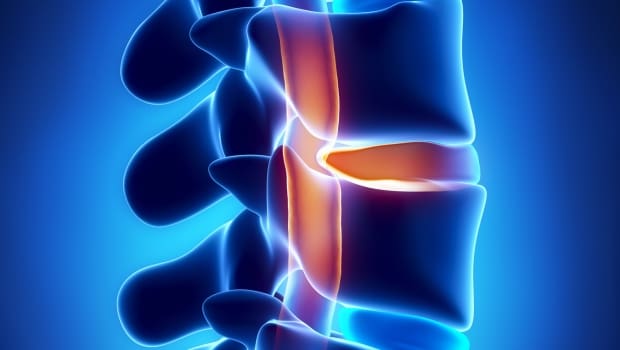
The spinal cord is a vital structure that transmits signals between your brain and body. When compressed by a tumor, herniated disc, bone fragment, or other mass, these signals can be disrupted, leading to a wide range of symptoms.
Common Causes
-
Degenerative disc disease
-
Herniated discs
-
Spinal injuries or fractures
-
Tumors or infections
-
Arthritis of the spine
Symptoms to Watch For
-
Numbness or tingling in the arms, hands, legs, or feet
-
Weakness or difficulty walking
-
Loss of bladder or bowel control (in severe cases)
-
Persistent neck or back pain
Diagnosis and Evaluation
Diagnosis often includes a physical exam, imaging tests such as MRI or CT scans, and neurological assessments to evaluate the extent of compression.
Treatment Options
At Town Physical Therapy, non-surgical treatments are often the first line of defense:
-
Physical therapy to improve mobility and strengthen supportive muscles
-
Pain management techniques
-
Posture and ergonomic education
-
Stretching and strengthening exercises
In more severe cases, surgery may be necessary to relieve the pressure on the spinal cord.
For appointments and more information, visit town-pt.com
Town Physical Therapy Locations:
Maywood, NJ | Emerson, NJ | Bergenfield, NJ | Clifton, NJ | Paramus, NJ
About the Author: Town PT