25 Essential Tips to Live a More Active & Healthy Life

Introduction
Living a more active, healthy life doesn’t take a gym membership or a dramatic overhaul. It comes down to small, repeatable habits that keep your joints moving, your muscles strong and your energy steady.
At Town Physical Therapy, our therapists see every day how simple changes prevent pain and speed recovery. Below are 25 practical tips you can start this week, grouped by the area of life they improve.
Move More Every Day
1. Aim for 150 minutes of moderate activity a week
That’s about 30 minutes, five days a week. Brisk walking, cycling and swimming all count, and three 10-minute bouts work just as well as one long session.
2. Break up long periods of sitting
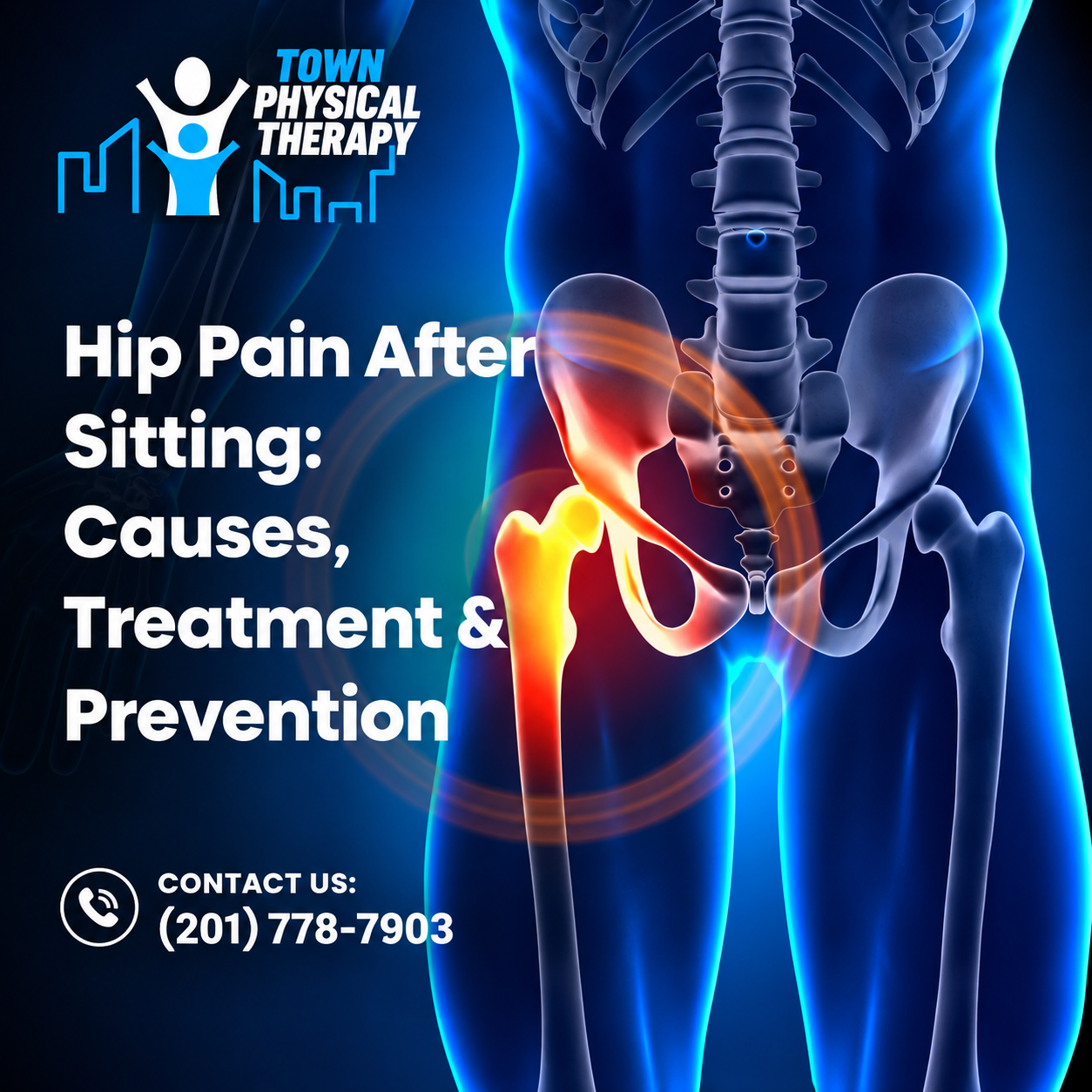
Stand, stretch or walk for two to three minutes every 30 to 60 minutes. Long sitting stiffens the hips and loads the spine, a common driver of back pain.
3. Walk whenever you can
Take the stairs, park farther away and make phone calls on your feet. A daily walk is one of the easiest ways to protect your heart, joints and mood.
4. Find an activity you actually enjoy
Dancing, hiking, pickleball or gardening all count. You’re far more likely to stick with movement you look forward to.
5. Start slow and build gradually
Increase time or intensity by about 10% a week. Doing too much too soon is one of the most common causes of overuse injuries like shin splints and tendon pain.
6. Always warm up and cool down
Spend five to ten minutes on light cardio and dynamic movements before exercise, and gentle stretching afterward. It prepares muscles and joints and reduces next-day soreness.
Build Strength, Mobility and Balance
7. Strength train at least twice a week
Work all major muscle groups with bodyweight moves, bands or weights. Stronger muscles support your joints and help protect against knee pain and hip pain.
8. Strengthen your core
Your core is more than abs. It includes the deep muscles around your spine and pelvis. Planks, bird dogs and bridges build the stability your body relies on for lifting, bending and twisting.
9. Stretch daily
A few minutes of stretching keeps muscles flexible and joints moving freely. Focus on tight areas like hamstrings, hip flexors, calves and chest.
10. Practice balance
Stand on one leg while brushing your teeth, or try heel-to-toe walking. Good balance is one of the best defenses against falls, especially as we age.
11. Protect your bones with weight-bearing exercise
Walking, stair climbing and resistance training help maintain bone density. This matters for everyone, and especially for those managing osteoporosis.
12. Try low-impact options
Swimming, cycling and Pilates are easy on the joints while still building strength. Our Springboard Pilates Therapy is a great way to improve core control and flexibility with professional guidance.
Improve Posture and Workday Habits
13. Set up an ergonomic workspace
Keep your monitor at eye level, feet flat on the floor and elbows near 90 degrees. Small adjustments prevent the strain behind many cases of neck pain and headaches.
14. Watch your “text neck”
Bring your phone up to eye level instead of looking down at it. Every inch your head drifts forward adds load to your neck and upper back.
15. Lift with your legs, not your back
Bend at the hips and knees, keep the load close to your body and avoid twisting while lifting. This one habit can prevent painful flare-ups like sciatica.
16. Wear supportive shoes
Choose footwear with good arch support and cushioning, and replace running shoes every 300 to 500 miles. Poor footwear contributes to foot and ankle pain, including plantar fasciitis.
17. Give your hands and wrists a break
If you type or use a mouse all day, pause to stretch your fingers and wrists. Repetitive strain is a leading cause of wrist and hand pain. If you’ve felt a sudden jolt, read why you may have sudden sharp pain in your wrist.
If poor posture has become a habit, postural re-education with a physical therapist can retrain how you sit, stand and move.
Fuel, Rest and Recover
18. Stay hydrated
Water keeps joints lubricated and muscles working properly. Drink regularly throughout the day, and more when you’re active or it’s hot outside.
19. Eat a balanced, whole-food diet
Build meals around vegetables, fruit, lean protein, whole grains and healthy fats. Protein in particular helps muscles repair after exercise.
20. Prioritize seven to nine hours of sleep
Sleep is when your body repairs tissue and restores energy. A consistent bedtime and a dark, cool room make a real difference.
21. Schedule rest days
Recovery is part of training, not a break from it. Alternate hard and easy days, and try gentle movement like walking or stretching on rest days.
22. Manage stress
Chronic stress tightens muscles and can amplify pain. Deep breathing, time outdoors and regular exercise all help. Persistent tension may also respond well to soft tissue mobilization or cupping therapy.
Listen to Your Body
23. Know the difference between soreness and pain
Mild muscle soreness a day or two after exercise is normal. Sharp, joint-specific or worsening pain is a signal to stop and get it checked.
24. Don’t ignore small aches
A nagging shoulder or stiff heel rarely fixes itself if you keep pushing through it. Early care is usually faster and simpler. Our guides on front shoulder pain and exercises for Achilles tendon pain are good places to start.
25. Get a movement check-up
A physical therapist can assess your strength, flexibility and movement patterns and spot problems before they become injuries. Athletes and weekend warriors benefit from sports physical therapy, while our wellness and fitness programs help anyone build a safe, personalized routine.
When to See a Physical Therapist
Healthy habits go a long way, but some situations call for expert care. Consider booking a visit if you have:
- Pain that lasts more than a week or keeps coming back
- Stiffness or limited range of motion that affects daily tasks
- Dizziness or balance problems, which may point to vertigo
- Ongoing aches from arthritis or chronic pain
- An upcoming or recent surgery that needs pre- or post-surgical rehabilitation
- An injury from a fall, sport or car accident
Start Your Healthier Life With Town PT
Town Physical Therapy offers personalized physical therapy and rehabilitation, chiropractic care, acupuncture and occupational therapy across 9 New Jersey locations, including Paramus, Maywood, Clifton, Jersey City and West Windsor. We verify your insurance at no cost before your first visit.
Ready to move better and feel stronger? Book your appointment today.
Frequently Asked Questions
How much exercise do I need to stay healthy?
Most adults benefit from at least 150 minutes of moderate activity per week, plus two days of strength training. Even short, regular bouts of movement add up.
What’s the easiest way to become more active?
Start with walking. Add a 10-minute walk after meals, take the stairs and stand up every half hour. Build from there as it becomes a habit.
Can physical therapy help if I’m not injured?
Yes. A physical therapist can identify weak areas, tight muscles or poor movement patterns and design a plan to prevent injury and improve performance.
Do I need a referral to see a physical therapist in New Jersey?
New Jersey allows direct access to physical therapy in many cases, though some insurance plans require a referral. Our team verifies your coverage for free before your first visit.
Where are Town Physical Therapy’s locations?
We have 9 clinics across New Jersey, including Maywood, Emerson, Bergenfield, Clifton, Paramus, Jersey City, Newark, Matawan and West Windsor. Contact us to find the one nearest you.
About the Author: Town PT